Intelligent Control Systems & Artificial Intelligence
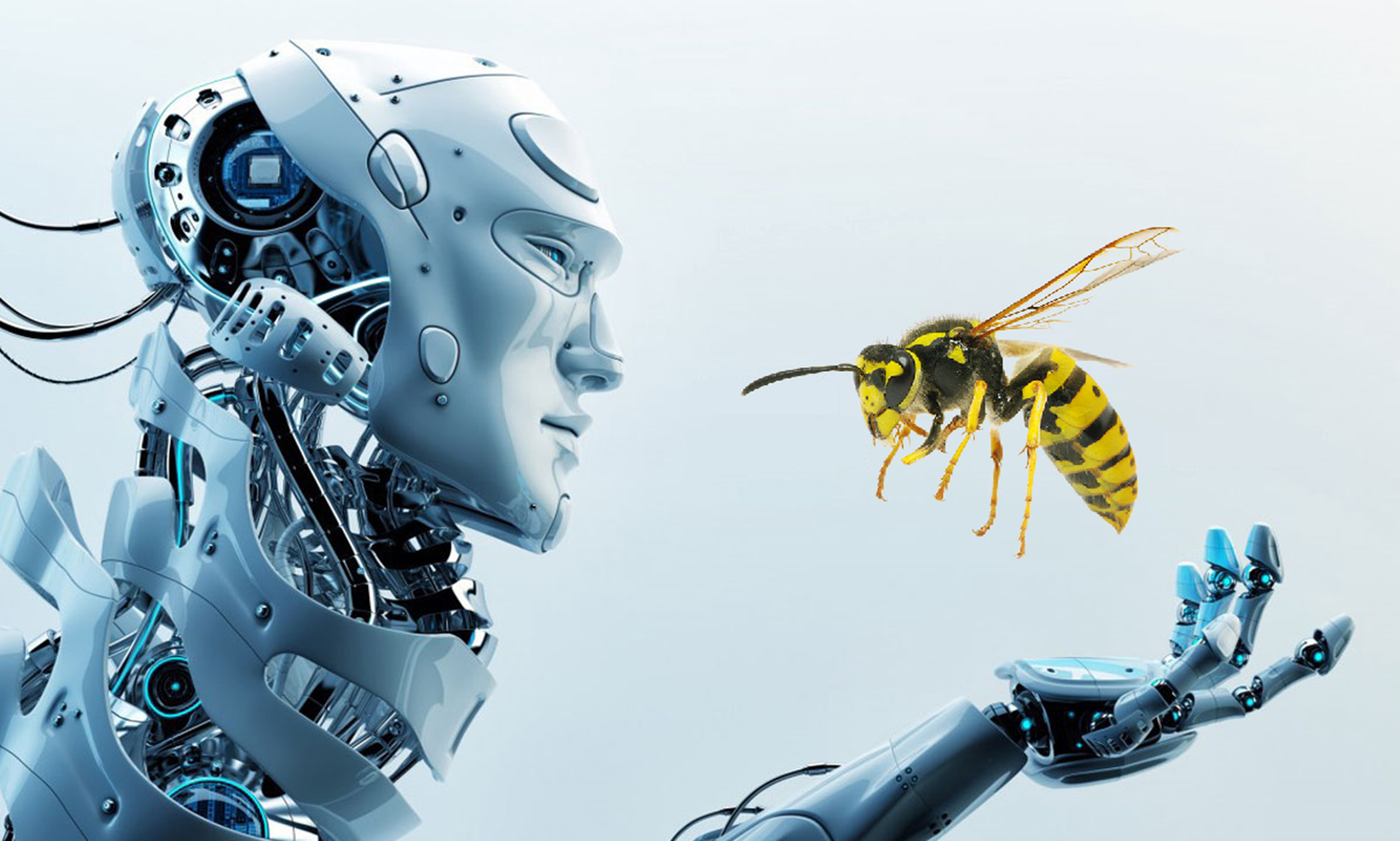
Our research in Control Systems and Artificial Intelligence focuses on developing smart, autonomous, and robust engineering solutions for complex dynamical systems. We design advanced control architectures capable of operating under uncertainty, external disturbances, and time-varying dynamics. By integrating modern control theory such as adaptive, predictive, and robust control with cutting-edge machine learning and deep learning algorithms, we bridge the gap between theoretical modeling and real-world autonomy.
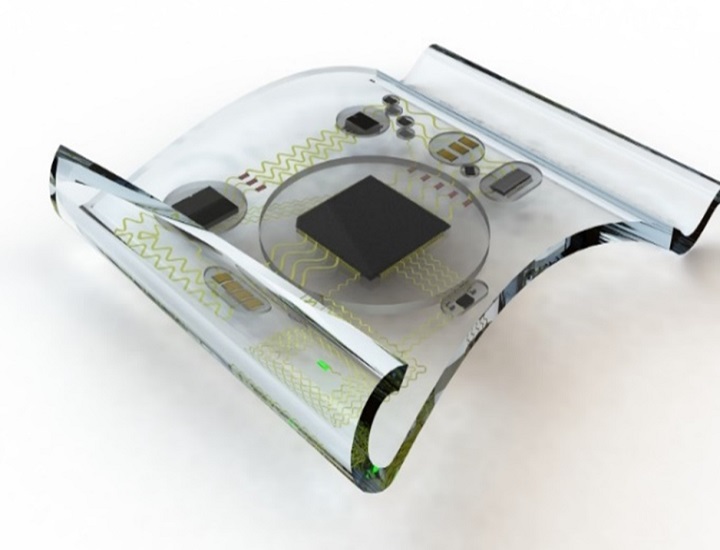
Our work spans automated data-driven decision making, computer vision, sensor fusion, and real-time embedded intelligence, empowering systems to perceive their environment, learn from streaming data, and execute precise control actions autonomously.
Description
Opportunities for Students
We welcome motivated undergraduate and graduate students from electrical engineering, computer science, mechanical engineering, and robotics backgrounds to work on exciting projects:
-
Control Systems & Automation Engineers:
-
Designing, tuning, and implementing advanced feedback controllers (MPC, adaptive, nonlinear control) for complex industrial and mechatronic systems, including system identification, MATLAB/Simulink modeling, hardware-in-the-loop testing, and real-time control implementation.
-
Artificial Intelligence & Computer Vision Researchers:
-
Developing deep neural networks for object detection, multi-object tracking (e.g., YOLO, ByteTrack), pattern recognition, and real-time video analytics utilizing Python, PyTorch, and edge AI deployment platforms.
-
Robotics & Embedded Systems Developers:
-
Working on sensor fusion (IMU, optical, LIDAR), microcontroller/FPGA programming, actuator interfacing, autonomous navigation or manipulation, C/C++ embedded programming, ROS (Robot Operating System), and mechatronic prototyping.
-
Data Science & Machine Learning Engineers:
-
Focusing on predictive maintenance, time-series forecasting, anomaly detection, optimization algorithms for complex data streams, statistical data analysis, and machine learning pipelines.
References
- Ref 1
- Ref 2
- Ref 3